Listed and conservation · In brief
Part L in listed and conservation area homes
The Part L listed building exemption is not a blanket one. Homes that are listed, in a conservation area or scheduled must still comply where doing so would not unacceptably alter their character or appearance.
Most useful for: Owners of listed or conservation area homes replacing heating
Compiled from the sources at the end. Updated .
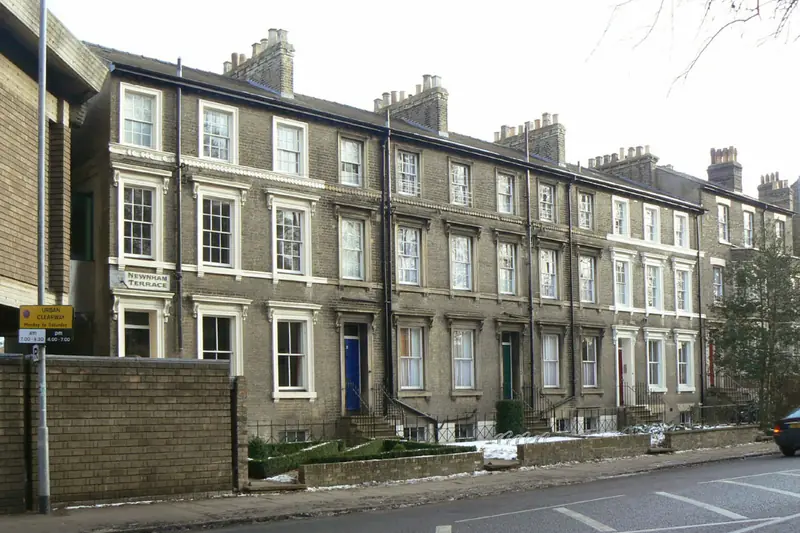
The wording is at para 0.8 of Approved Document L, 2021 edition, which is the version in force now. These homes need not comply fully where it would unacceptably alter character or appearance, and they must comply to the extent that it would not, so far as "reasonably practicable". The conservation officer's advice is to be taken into account.
What does that look like for heating?
In practice, ask about each measure in turn. Something hidden and reversible may raise no issue of character, while a new flue on a street front may. Ask the conservation officer in those terms, job by job, and do not ask whether the house is "exempt".
These are examples of Part L points that do not simply fall away:
- Gas boiler efficiency of 92% (ErP) in existing dwellings, with an exceptional-circumstances route.
- Extra measures with a new gas combi, covered in boiler controls.
- Treating the feed to water heaters and combi hot water circuits in hard water areas, defined as over 200 ppm.
- Sizing new or fully replaced wet systems for a maximum 55°C flow temperature, or the lowest possible where that is not feasible.
For how far each one applies in your home, ask building control, who should have the conservation officer's advice. Consent is a separate matter, and meeting Part L does not settle it. To check your status, start with conservation areas in Cambridge and South Cambs.
Which edition applies to your job?
Use the 2021 edition, with its 2023 amendments, until the 2026 edition takes effect on 24 March 2027 for work that is not higher-risk. Paragraph numbers then change, so this exemption moves to paras 0.9 and 0.10. Transitional rules exist, so ask your installer which edition covers a job that spans that date.
The 2026 text also says historic and traditional homes should be improved only if it will not cause long-term deterioration of the fabric, and gives examples of wattle and daub, cob, stone, and lime render or mortar. That is relevant to any plan that goes beyond the boiler.
Sources, read 4 November 2026: Approved Document L, Volume 1, 2021 edition with 2023 amendments; Approved Document L, Volume 1, 2026 edition; GOV.UK: Approved Document L.