Listed and conservation · Piece
Heat pumps in a conservation area: the current rules
A heat pump in a conservation area can fall within permitted development, but not on a wall or roof fronting a highway, or nearer a bounding highway than the house. Listed buildings fall outside it. Ask planning first.
Most useful for: Owners in conservation areas or listed homes considering an air source heat pump
Compiled from the sources at the end. Updated .
The rule most people remember has gone. Permitted development for air source heat pumps was changed on 29 May 2025, and the old requirement to keep the unit 1 metre from the boundary was removed. Plenty of older advice still repeats it, so check the date on anything you are given.
What does Class G now allow?
Class G sets a limit on number and size, and on where a unit can sit. These tests are all in Schedule 2, Part 14 of the General Permitted Development Order 2015. A unit that fails any of them needs a planning application, which is not the same as being refused.
| Test | Limit |
|---|---|
| Number on a non-detached house or a block of flats | 1 unit |
| Number on a detached house | 2 units |
| Outdoor unit volume | 1.5 m³ on a house; 0.6 m³ on a block of flats |
| Roof position | Not on a pitched roof; not within 1m of a flat roof's edge |
| Elsewhere on site | No wind turbine |
| Standards | Must comply with MCS Planning Standards |
| Conservation area or World Heritage Site | Not on a wall or roof fronting a highway; not nearer a bounding highway than the nearest part of the house |
| Listed building or its curtilage | Not permitted development |
There are conditions as well. The unit must not be solely for cooling, must be sited so far as practicable to minimise its effect on appearance and amenity, and must be removed when no longer needed. Outside a conservation area, the bar on highway-facing walls applies above ground floor storey only, so a rule of thumb from a friend's house elsewhere may not carry across.
What does this mean on a Cambridge terrace?
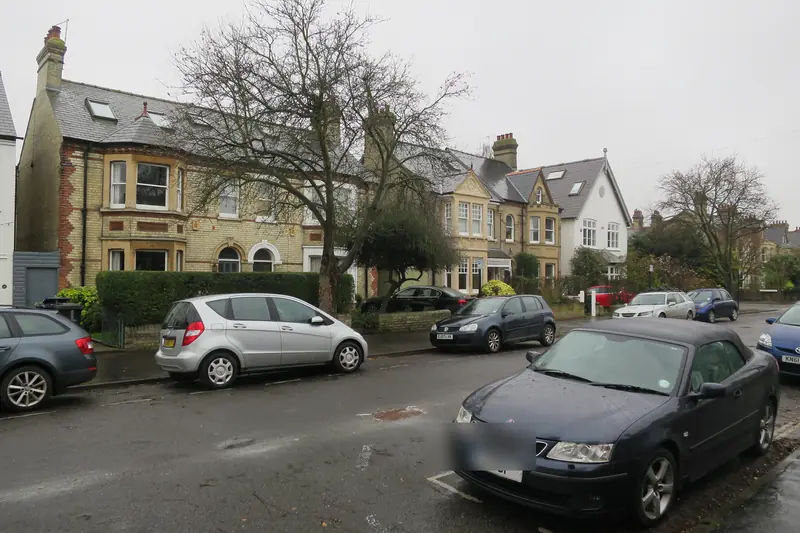
The Mill Road appraisal describes terraces north of Mill Road standing directly on the pavement, so a unit on that street front would fail the first conservation area test. That may leave the back or a side wall. If a rear lane or side street counts as a highway, the same two tests can apply there, and whether a given alley counts is a question for planning.
Newnham Croft's long, thin back gardens may leave more room to site a unit away from a road. Check before you assume, because the tests depend on your plot and not on the street's general pattern. For whether a pump suits the house at all, see what to check on a Victorian terrace. This page deals with permission only.
Does an Article 4 direction change it?
It could. An Article 4 direction can withdraw permitted development for an area. The council's list shows 28 directions. Of these, 18 restrict demolition, mostly of named pubs, and only one restricts alterations to dwellings: the Accordia estate. Appraisals for Newnham Croft, New Town and Riverside recommended considering Article 4, but none appears as made for those areas on that list. That list can change, so check your address when you ask.
Listed homes: two separate questions
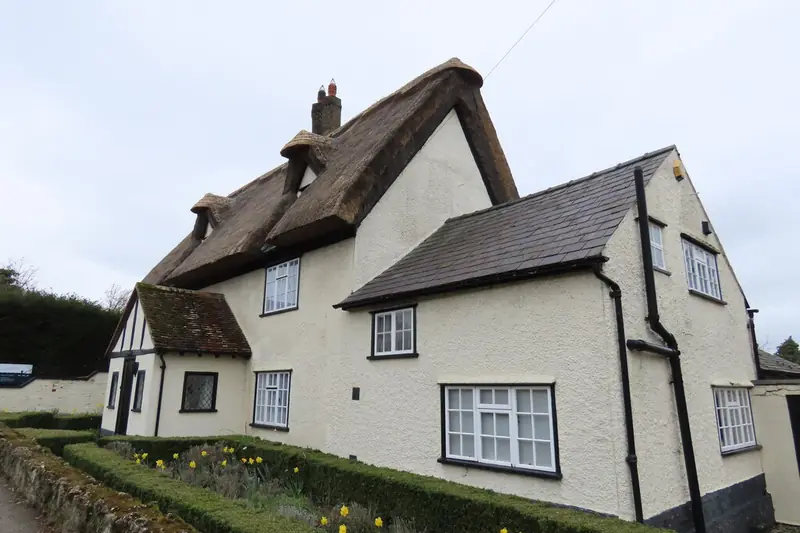
Listed status takes a unit outside Class G entirely, including within the curtilage. You would then expect to need planning permission and possibly listed building consent, including for pipes and any internal changes. South Cambs' 2009 guidance says ground source pumps with radiators normally need larger radiators and calls underfloor heating preferable, as it runs at a lower temperature. It pre-dates the 2025 changes, so use it as background.
A quote does not settle planning. Ask Greater Cambridge Planning, and the conservation officer where your home is listed, before you sign. The council makes the decision, and it is far easier to change a site plan than to move a fitted unit.
Does the grant change any of this?
Not on the published wording. A search of Ofgem's property owner guidance finds no mention of listed buildings or conservation areas, and consent rules still apply to the work. See the Boiler Upgrade Scheme for older homes for amounts. Your conservation area's appraisal may help you describe what is sensitive about the street.
Who decides on a heat pump
- Whether Class G applies to your plot
- Greater Cambridge Planning
- Whether your home is listed and consent is needed
- The council, through its conservation officer
- Whether an Article 4 direction affects you
- Greater Cambridge Planning
- Compliance with MCS Planning Standards
- Your MCS certified installer
- Grant application
- Your installer, with your consent to Ofgem
Other questions on this
Can a block of flats have a pump under these rules?
Class G allows 1 unit on a block of flats, with an outdoor unit up to 0.6 m³. The other tests still apply, and those who hold the freehold may have a say that planning law does not cover.
Do all of Class G's limits disappear if I apply for planning?
They stop being automatic tests, as the council then judges the application on its merits. Your application would normally need to explain why the location is right, so a rule failed under Class G is still worth addressing.
Does a ground source system fall under the same class?
This page covers air source units under Class G only, and the limits here should not be applied to a ground loop. Ask planning what applies to your proposal.
Sources, read 4 November 2026: General Permitted Development Order 2015, Schedule 2, Part 14; Greater Cambridge Planning: local planning restrictions; South Cambridgeshire Listed Buildings guidance, 2009; Ofgem: guidance for property owners V5.2; Mill Road conservation area appraisal; Newnham Croft conservation area appraisal.