Boilers and heat pumps · Piece
Combi or cylinder: three checks for an older house
Combi or system boiler in an old house comes down to three checks: incoming water pressure, the space you can give up, and how hard water will be treated. No single answer suits every older home.
Most useful for: Older house owners deciding whether to keep or remove a hot water cylinder
Compiled from the sources at the end. Updated .
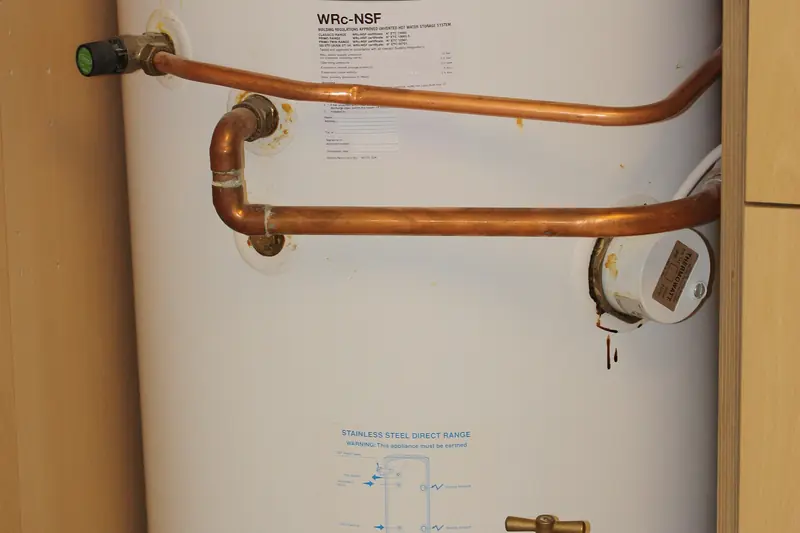
Removing a cylinder frees a cupboard. Keeping one holds a store of hot water. Which matters more depends on the house, so this page sticks to what can be checked. It gives no flow-rate targets, running costs or lifespans, because no official figures for them are to hand.
What does your water pressure allow?
A combi heats water as it is drawn, so hot water performance leans on what comes in from the main. An unvented cylinder also runs from the mains, while a traditional vented cylinder is fed from a cold tank, usually in the loft.
The legal standard is 7 metres static head in the communication pipe, which is 0.7 bar. WaterSafe says most companies aim for 10 metres, about 1.0 bar, at the end of that pipe. Its rough check is that the first tap fills 4.5 litres in 30 seconds. Old supply pipes can change what reaches the kitchen, and the page on low pressure follows that through.
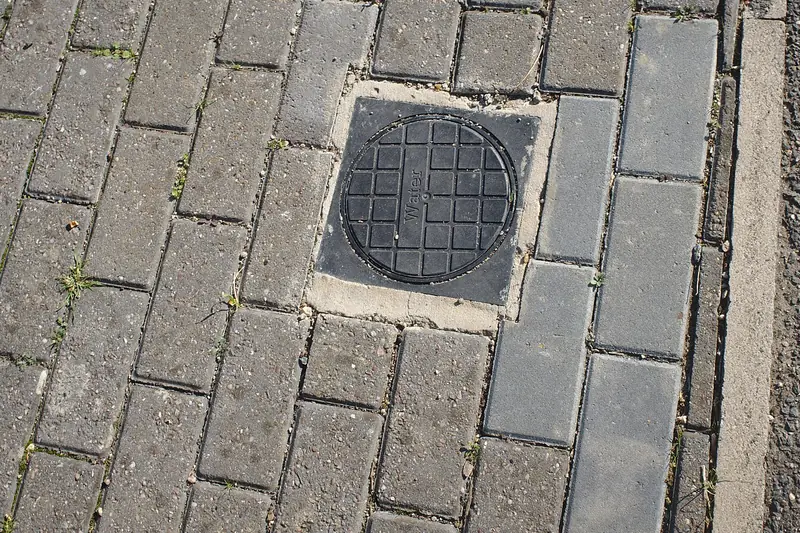
Ask a heating engineer to measure pressure and flow at your own tap before committing. A figure from a neighbouring house tells you little about your pipe.
Is there room for a cylinder, and is there a reason to lose one?
Space decides many terraces. New Town houses are usually two storey, while elsewhere in that area some are three storey with basements, so a long pipe run to a top bathroom is one thing to raise. A loft tank and an airing cupboard can both be freed by a combi, and the page on loft tanks covers older tanks.
HSE's list of places asbestos can be found includes board in airing cupboards, water tanks and pipe lagging. Do not disturb suspect material in a home built or refurbished before 2000, and tell the contractor before they start.
Think also about what else is planned. Any future heat pump is likely to raise the question of stored hot water again, so ask about it on the heat pump checks page.
What the regulations do and do not say
Approved Document G is often misquoted. The 48°C limit on bath hot water in G3(4) applies only when a dwelling is erected or formed by a material change of use. It is not a rule for every bathroom refit.
For stored hot water, G3(3) says water must not be stored above 100°C and needs a safe, visible discharge. An unvented system needs at least two independent safety devices plus a thermostat (para 3.17). That is why the discharge pipe route is part of the job in a tight terrace, and why an unvented cylinder is work for a suitably qualified installer, not a weekend project.
Combis have their own extra rule. A new gas combi in an existing home needs one of four added measures under para 6.2 of Approved Document L, listed on the controls page.
How does hard water change the choice?
It affects both routes. Para 8.8 of Approved Document L asks for suitable measures in hard water areas on the feed to water heaters and on the hot water circuit of combi boilers, with hard water defined as more than 200 ppm. The Cambridge area sits in the top band of the DWI's hardness map, so plan for treatment either way.
The DWI also says softening only the feed to the cylinder or boiler is more economical than softening the whole supply. See the page on limescale in boilers before settling on a device.
| Check | Can lean towards a combi | Can lean towards a cylinder |
|---|---|---|
| Pressure and flow | Good measured flow at the tap | Weak supply, with a vented cylinder fed from a tank |
| Space | No cupboard or loft to spare | Cupboard already there and easy to reuse |
| Use at once | One outlet at a time | Baths and showers running together |
| Hard water | Treatment on the hot water circuit | Treatment on the feed to the heater |
Who settles what
- Boiler and any gas work
- Gas Safe registered engineer
- Pressure and flow reading at your tap
- Heating engineer or plumber
- Unvented cylinder and discharge route
- Installer qualified for that work
- Pressure below the legal standard
- Your water company
- Moving pipes or flues in a listed building
- The council; ask the conservation officer first
Other questions on this
Must every new bathroom tap be limited to 48°C?
No. The Approved Document G limit covers baths in dwellings being erected or formed by a material change of use. A plumber may still suggest a mixing valve for safety on other jobs, and that is a separate conversation from the regulation.
Can a vented cylinder stay if the boiler changes?
It often can, but it depends on the condition of the cylinder and the tank above it. Ask the engineer to look at both before quoting, and tell them about any suspect boards or lagging nearby.
Can water pressure be raised for a combi?
A pump on a supply pipe drawing more than 12 litres a minute needs notice and consent under the water fittings rules. Ask your water company before planning around one.
Sources, read 4 November 2026: WaterSafe, minimum water pressure; Water Supply (Amendment) Regulations 2017; Water Supply (Water Fittings) Regulations 1999, regulation 5; Approved Document G with 2024 amendments; Approved Document L, Volume 1, 2021 with 2023 amendments; DWI, water hardness; DWI hardness map; HSE, asbestos in homes diagrams; New Town and Glisson Road Conservation Area Appraisal, 2012.