Boilers and heat pumps · Piece
Check a Gas Safe engineer before gas work starts
A Gas Safe Register check takes two steps: read both sides of the engineer's ID card, then confirm the number with the register on 0800 408 5500. The back of the card shows which work they can do.
Most useful for: Householders, tenants and landlords booking any gas work
Compiled from the sources at the end. Updated .
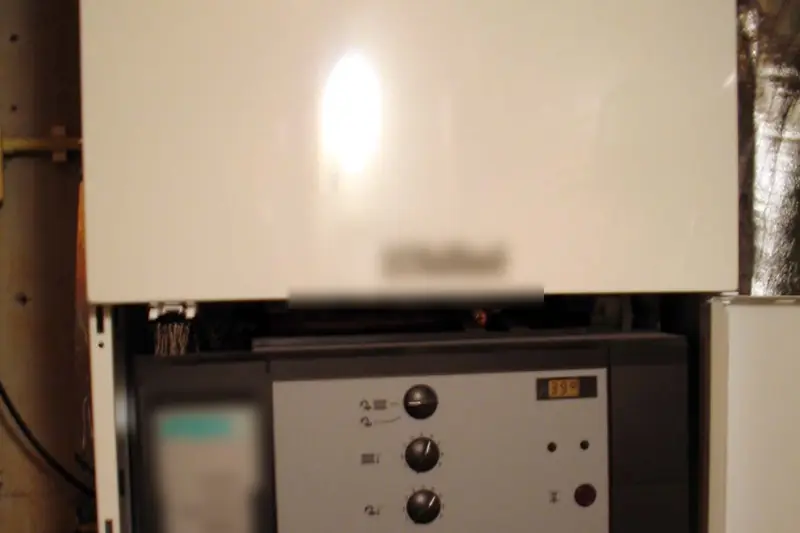
A gas business must be on the register to do gas work legally under the Gas Safety (Installation and Use) Regulations 1998, and HSE explains that this covers natural gas and LPG. So the check applies to a house on mains gas and to one running on LPG. Anyone can ask to see the card, and a genuine engineer should expect it.
What should the card show?
Ask to see it at the door or before work starts, and hold it long enough to read both sides.
| Where | What to look for | What to do with it |
|---|---|---|
| Front | Photo | Compare it with the person in front of you |
| Front | Registration number | Quote it when you check with the register |
| Front | Expiry date | Make sure it has not passed |
| Back | Work categories | Make sure the job in hand is listed |
The last row is easy to miss. An engineer can be properly registered and still not listed for the job you need, so look for the appliance type you are having worked on. If the card or the categories are unclear, call the register before work begins.
Why does the back of the card matter so much?
HSE says the work categories are on the back, so that side tells you what the engineer is registered to do. A boiler job in a terrace, an LPG appliance in a village home and a flue check are all jobs where it is worth reading before work begins.
If the job is a replacement, ask to see the card of the engineer who will actually do it, then use the boiler replacement page for what the job should cover. If you have flue concerns, HSE says a Gas Safe engineer should examine the flue, and the page on flue position covers terraced streets.
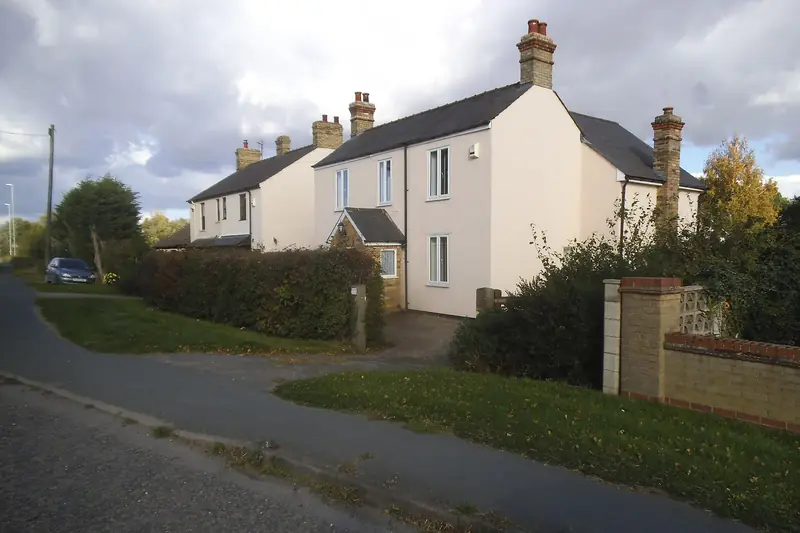
Services, annual checks and landlords
HSE gives householders strong advice, not a legal duty, to have appliances serviced at least once a year. It also says it is illegal to use an appliance you suspect is unsafe. For landlords the position is firmer: a check at intervals of no more than 12 months is a legal duty under regulation 36, with a separate page on student let certificates.
Nothing on this site tells a householder to work on gas parts or open a boiler casing. The photo at the top of this page shows a boiler with a cover off, and that is a job for the engineer alone.
Do not wait for a booked engineer if you smell gas or a carbon monoxide alarm sounds. Get out and use the steps on the gas smell and alarm page.
What should a good firm's paperwork cover?
There is no single layout for a quote. It helps if it names the work, the appliance, and the registration of the business doing it, so you can check that the same business is on the register.
For water work, the separate scheme is on the WaterSafe page. The two registers cover different trades.
Who does what
- Reading the card and ringing the register
- You, before work starts
- Gas work of any kind
- Gas Safe registered engineer
- Examining a flue you are worried about
- Gas Safe registered engineer
- Annual gas safety check on a let
- Landlord arranges; Gas Safe registered engineer carries it out
- Gas safety advice
- HSE on 0800 300 363
Other questions on this
Can a plumber who is not registered fit a gas boiler if a registered friend signs it off?
Do not agree to that. Under the 1998 Regulations the business doing gas work must be on the register, so ask for the registered engineer who is actually doing the job.
Does LPG in a village house need a different kind of engineer?
The register covers both natural gas and LPG, so the check is the same. Look at the back of the card for the work categories that match your appliance.
Do I have to be home to check the card?
Tenants and neighbours can read the card if someone is letting the engineer in. Agree beforehand who will check it, and ask for the registration number in advance so you can ring the register.
Sources, read 4 November 2026: HSE, the Gas Safe Register; HSE, gas safety FAQs; HSE, carbon monoxide; HSE, landlord gas safety FAQs; Gas Safety (Installation and Use) Regulations 1998, regulation 36.