Flood · In brief
Sewer flooding and non-return valves in older houses
Sewer flooding and non-return valves come together in Approved Document H: a basement with sanitary appliances points to a pump if the risk is high, an anti-flooding valve if low. Report any flooding to your water company.
Most useful for: Homes with basements or low ground floors, near combined sewers
Compiled from the sources at the end. Updated .
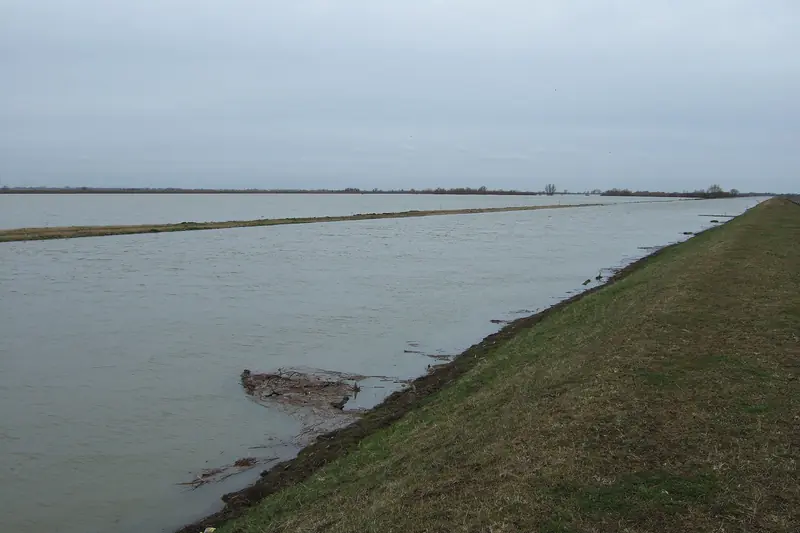
The problem is common to combined sewers, which Approved Document H says can surcharge in heavy rain. On low-lying sites it tells builders to consult the sewerage company. In this area, the New Town and Glisson Road appraisal records some three-storey houses with basements, so ask about the risk before fitting a basement bathroom.
What Approved Document H points to
Paragraphs 2.8 to 2.11 deal with basements that have sanitary appliances. Where the risk is high, the document points to a pump. Where it is low, it points to an anti-flooding valve, preferably a double valve with manual closure and a notice inside the building.
A valve can help limit backflow, but it is not a guarantee, and it needs someone to know it is there. The County Council's resilience list includes non-return valves alongside raised boilers and sockets. In a listed house, ask the conservation officer before new soil or waste pipes go in.
Treat it as sewage. Never touch switches while standing in water, and do not turn services back on until they have been checked. The after-flood steps set out who to ring.
Who to tell, and what it can pay
Report the flooding to the water company named on your bill. The County Council gives Anglian Water as an example of a company responsible for flooding from its pipes, including sewage, so check your bill rather than assuming. Ownership of the pipe can matter too: see shared pipes and drains for the 2011 transfer of many private sewers.
Regulations in force since 2 July 2025 set a payment where effluent enters a building. It is based on a year of your sewerage charges, with a minimum of £300 and a maximum of £2,000, and it rises with repeat incidents. If the company does not resolve a complaint, CCW gives free advice and takes up payment disputes.
Sources, read 4 November 2026: Approved Document H; Statutory Instrument 2025/662; Cambridgeshire County Council: preparing for flooding; Cambridgeshire County Council: who is responsible for what; CCW: complaints; New Town and Glisson Road appraisal; GOV.UK: after a flood.