Boilers and heat pumps · In brief
Gas smell or carbon monoxide alarm: get out, then call
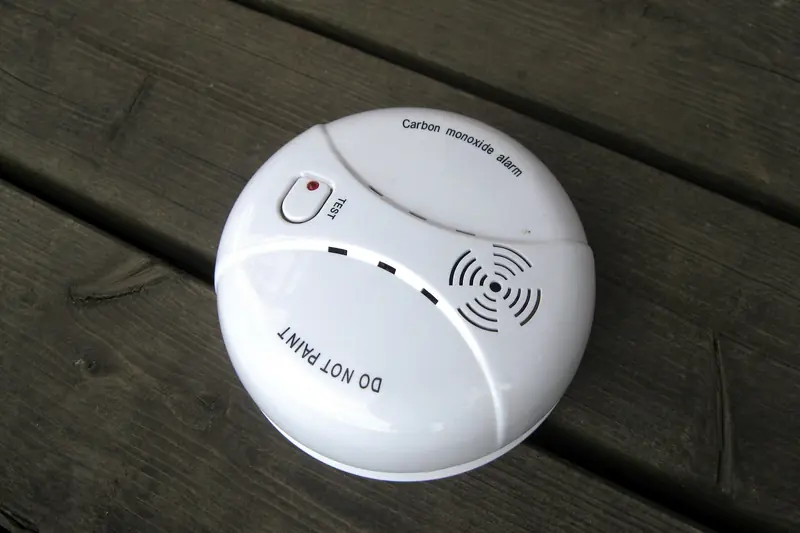
Smell gas? No switches, no flames, open doors and windows, leave the building and call 0800 111 999 from outside. For a carbon monoxide alarm, get everyone out and make the same call from outside.
Most useful for: Anyone in a home with gas appliances, flues or a CO alarm
Compiled from the sources at the end. Updated .
The call comes last, once everyone is in the open air. The number is the National Gas Emergency Service.
If you smell gas
- Do not use light switches or anything electrical, and do not use flames.
- Open doors and windows on your way.
- Leave the building.
- Call the National Gas Emergency Service on 0800 111 999 from outside.
If a carbon monoxide alarm sounds, or you suspect carbon monoxide
- Get everyone out.
- Call 0800 111 999 from outside.
- If anyone has symptoms, call NHS 111. Call 999 if someone is struggling to breathe, suddenly confused or unconscious.
- Do not go back in until you are told it is safe.
Do not stay inside to do anything, and do not go back for belongings or to look for the cause. Finding it is the job of the emergency service and a Gas Safe registered engineer.
The NHS lists symptoms as headache, dizziness, feeling or being sick, weakness, tiredness and confusion, chest and muscle pain, shortness of breath, flushing and loss of vision. They often ease outside, which is a reason to tell a clinician about it, not a reason to go back.
Cadent, a gas network company, and Derbyshire Fire & Rescue Service explain the symptoms of carbon monoxide poisoning and what to do if you suspect it. Not made by this site; duration 4:24.
HSE's warning signs on an appliance are yellow or orange flames (except on fuel-effect fires), soot or staining, pilot lights going out and extra condensation. HSE also says it is illegal to use an appliance you suspect is unsafe. Do not use it, and have a Gas Safe registered engineer examine it; check the card first. HSE gives around 7 deaths a year from gas appliances and flues.
HSE recommends carbon monoxide alarms, though not as a substitute for servicing. A new or replacement fixed gas appliance needs one in the same room under Approved Document J, as the boiler replacement page explains. Tenants and landlords have their own alarm rules.
Sources, read 4 November 2026: HSE, carbon monoxide; HSE, gas safety FAQs; NHS, carbon monoxide poisoning; Approved Document J, 2022.