Hard water · In brief
Descaling kettles, taps and shower heads at home
To descale a shower head in hard water, take it off if it unscrews by hand, soak it in a descaler following the label, then rinse well. Kettles and tap aerators work the same way. Never mix descaler with bleach.
Most useful for: Anyone in a hard water area with a furred kettle or slow shower
Compiled from the sources at the end. Updated .
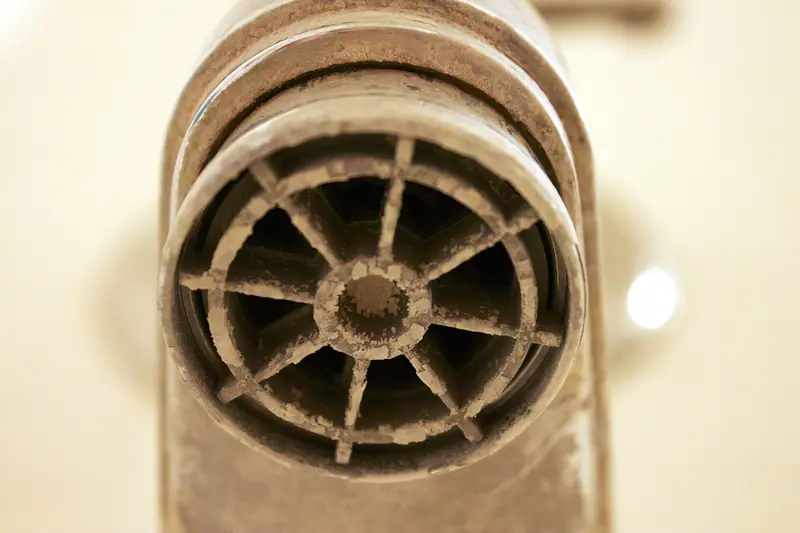
This method is general household guidance, not taken from an official source; the product's label comes first. There is no one interval that suits every home. In a very hard area, scale can come back quickly: the Drinking Water Inspectorate (DWI) cites the World Health Organization saying water at 200 mg/l or more produces scale, and Cambridge is above that on the available figures. Descale when you can see it or when flow drops.
A plain method
- Read the product label. It sets the strength, the soaking time and which finishes it is safe on.
- Kettle: unplug it, use a product made for kettles, then rinse thoroughly and discard the first boil.
- Shower head: unscrew it if it comes off by hand and soak it as the label says. Some can also be cleared by rubbing their soft nozzles.
- Tap aerator: unscrew the tip if it comes off by hand, soak it, rinse it and refit it.
- Rinse everything with clean water before use.
Never mix descaler with bleach or other cleaners, and keep the room aired. Gloves and eye protection are sensible if the label asks for them. Plated and older finishes can mark, so check the label covers them.
Where to stop
Stick to what comes off by hand. Do not open an electric shower unit, and leave anything inside a boiler to a Gas Safe registered engineer; scale in a boiler is a separate job. If the fitting will not move, ask a plumber instead of forcing it, since an old joint can leak.
In a pre-1970 house, one extra habit helps. DWI says older brass can be a source of lead, and that lead levels rise with water left standing. After a tap has been apart, run off the standing water before drinking, usually about a washing-up bowl's worth. That is a short-term measure; the page on testing and running the tap goes further.
If you are tired of doing this, softening is an option with its own cautions. DWI says softeners need regular backwash and salt, so upkeep does not disappear.
Sources, read 4 November 2026: Drinking Water Inspectorate: water hardness; Drinking Water Inspectorate: lead in drinking water; Drinking Water Inspectorate: filters and softeners.